Peripheral Artery Disease
Reviewed by Dr Amit KumarCase pictures
Real, de-identified cases — Dr Amit Kumar.
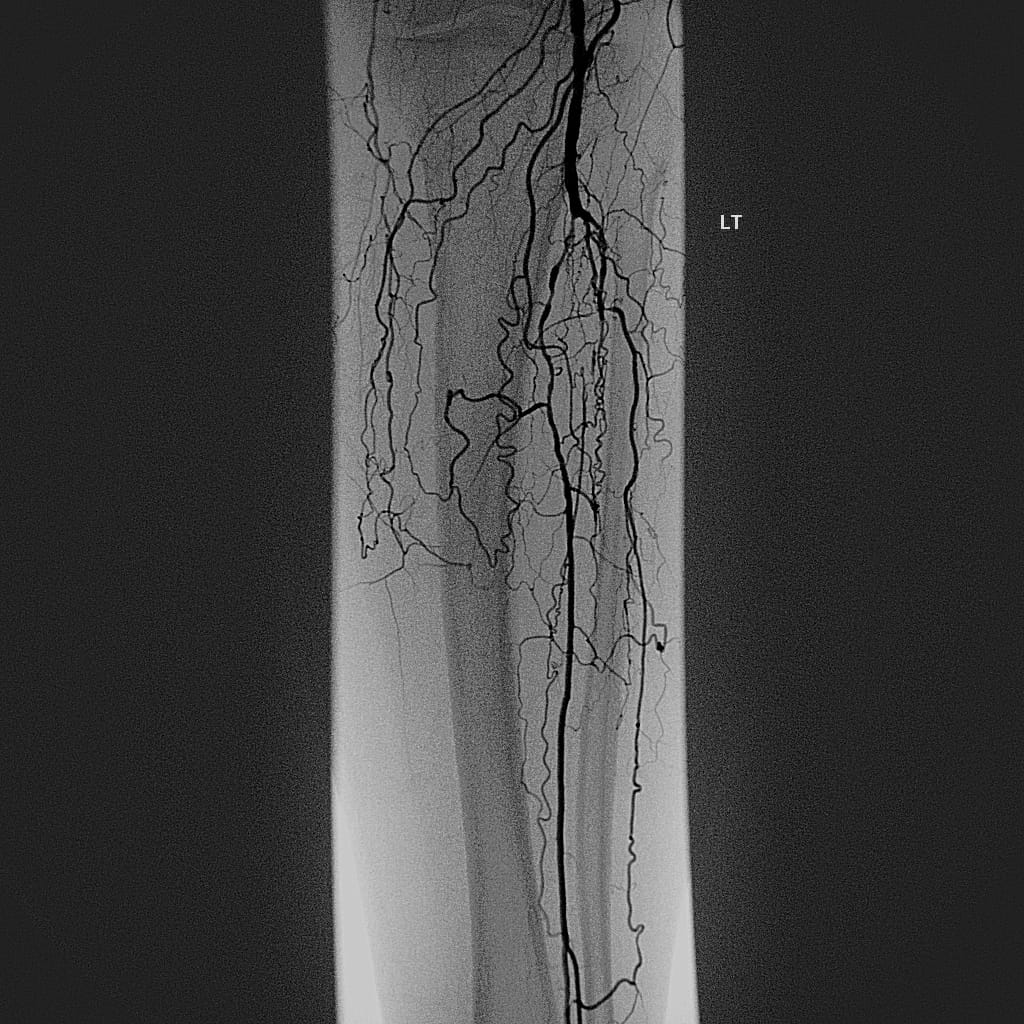
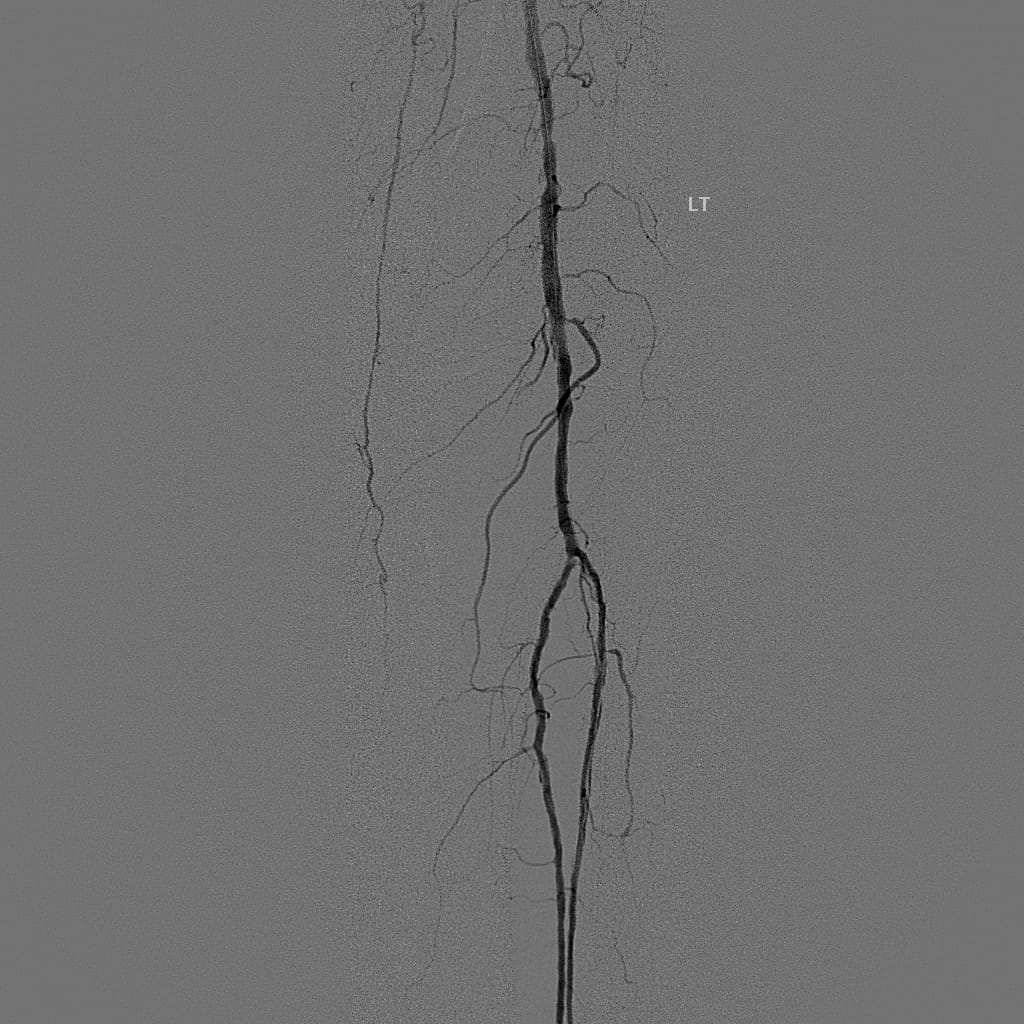
Angiograms before and after angioplasty.
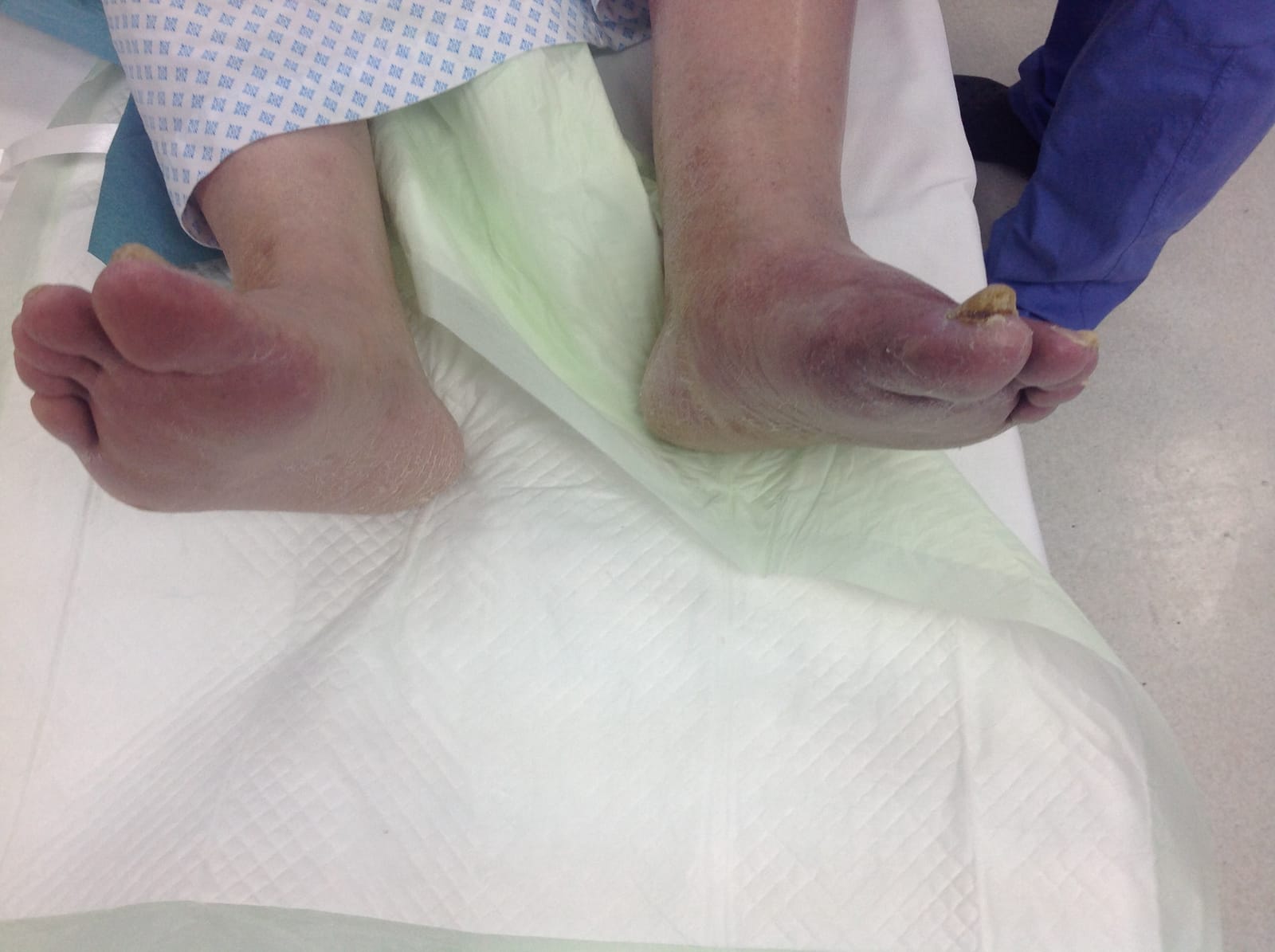
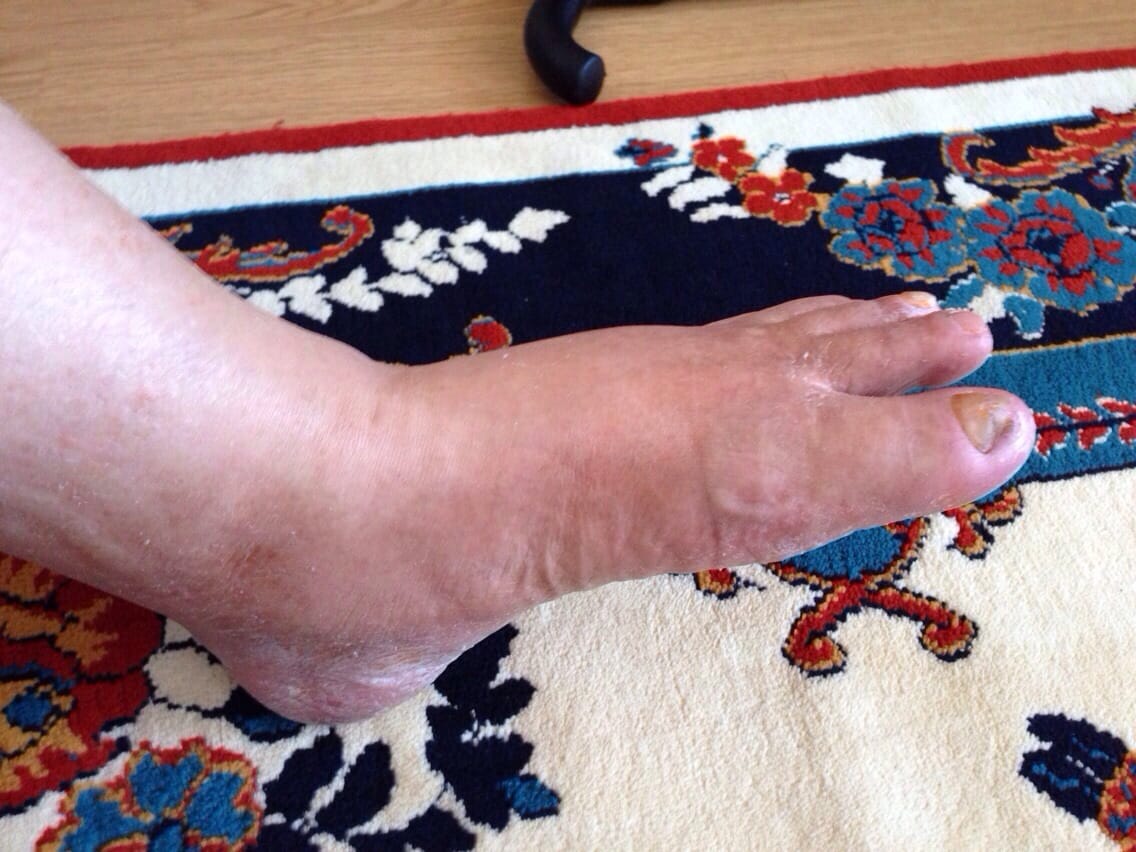
Clinical photographs before and after a bypass to restore blood flow.
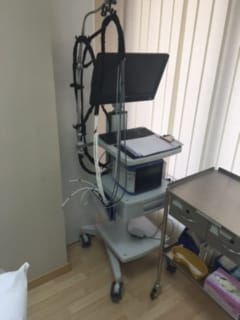
Vascular-lab tracing of blood flow in the leg.
Walking programmes for leg artery disease
Why supervised walking can improve how far you walk with peripheral artery disease.
Medical terms
Tap a term for a plain-English definition.
What is this
Peripheral artery disease is narrowing of the arteries that carry blood to the legs. It is caused by a gradual build-up of fatty deposits (atherosclerosis) — the same process that affects the heart and neck arteries. When the narrowing limits blood flow, the leg muscles do not get enough oxygen, especially when you are active.
Symptoms
Peripheral artery disease ranges from no symptoms at all to pain that limits walking. People often describe:
- Cramping, aching or tiredness in the calf, thigh or buttock when walking (claudication), which eases after a few minutes of rest
- Legs or feet that feel cold, or look pale
- Slow-healing cuts or sores on the feet or toes
- In more advanced disease, pain in the foot at rest — often worse at night or lying flat, a non-healing ulcer or gangrene
Because diabetes can dull sensation, some people with peripheral artery disease feel less pain than expected — which is why the feet deserve regular checks.
The most important section
When to seek an opinion
Stable claudication should always be assessed by a vascular surgeon. Situations which require urgent consultation are:
- A sudden painful, cold, pale or numb leg or foot — this can mean the blood supply has been abruptly blocked and is a medical emergency; seek help immediately
- Pain in the foot or toes at rest, especially at night
- A sore, ulcer or blackened area on the foot or toes that is not healing
- Any foot wound if you also have diabetes — have it seen quickly
Who gets them, and why
The main risk factors are smoking, diabetes, increasing age and high cholesterol. Having peripheral artery disease can often be a more advanced case than blockages in the heart.
How it’s assessed
It is diagnosed by examining the pulses in your legs and feet and comparing the blood pressure at the ankle and arm (an ankle-brachial index), often with a duplex ultrasound to map where the narrowing is. This is the role of a Vascular lab.
More about the scans you might have is on the Tests page.
Treatment options
Start here — conservative measures
Stop smoking
The most important single change — smoking is the biggest driver of peripheral artery disease and its progression.
- What it involves:
- Support and medication to quit are available and effective.
Walking / supervised exercise
Regular walking — pushing gently into the discomfort, resting, then continuing — encourages the body to improve circulation to the legs.
- What it involves:
- A supervised exercise programme, where available, works particularly well.
Managing diabetes, blood pressure and cholesterol
Controlling these, usually with your GP, slows the disease and protects the heart and brain too.
- What it involves:
- Often includes a statin and an antiplatelet medicine such as aspirin — under prescription and oversight of a physician.
Procedures, if they are needed
Angioplasty (and stenting)
A narrowed artery is widened from the inside with a small balloon, sometimes held open with a stent, through a small puncture.
- What it involves:
- Minimally invasive, often day-case; suitability depends on where and how long the narrowing is.
Bypass surgery
Blood is rerouted around a blocked segment using your own vein or an artificial replacement (graft).
- What it involves:
- A larger operation, reserved for more extensive disease or where angioplasty has not been suitable.
Procedures treat the narrowing but do not stop the underlying disease — the lifestyle and medical steps above remain essential afterwards.
What happens if they’re left untreated
For many people, claudication stays stable or even improves with exercise and risk-factor control. In some it progresses to rest pain or wounds that will not heal, which threaten the limb — the features that call for prompt treatment. Because peripheral artery disease reflects artery disease throughout the body, protecting the heart and brain matters as much as the legs.
Common Questions Patients Ask
Is walking good or bad for me?+
Good — even though it brings on the cramping. Working the legs regularly, within comfort, is one of the most effective ways to improve walking distance over time. Stopping when it hurts and then continuing is part of how it helps.
How often should I see my doctor?+
This depends on the severity of your blockages. The more severe blockages require more frequent visits and assessments with a vascular lab.
Why does it affect my heart risk?+
Peripheral artery disease is a sign of atherosclerosis, which affects arteries throughout the body — so treating it also means protecting the heart and brain.
Contact us
To ask about peripheral artery disease or arrange an assessment, send the clinic a message on WhatsApp.